
Electric vs. Traditional Locks:
In the age of smart homes and high-tech security, even something as simple as a lock has evolved. Today, homeowners face an important decision: stick with traditional mechanical locks or opt for electric (smart) locks. Each has its pros and cons, and the best choice depends on your lifestyle, budget, and security needs.
In this guide, we’ll explain everything you need to know about electric and traditional locks: how they work, their advantages and disadvantages, and which one is best for your home.
1 What are traditional locks?
Traditional locks are the classic mechanical systems most people are familiar with. They include deadbolts, knob locks, lever locks, and padlocks. These locks use a physical key to operate an internal mechanism that locks or unlocks the door.
Simple and time-tested, they have been used for centuries to protect homes and businesses. Most traditional locks are made of durable metals like brass or steel and can last for years if properly maintained.
Some of the most common traditional locks include:
Single-cylinder deadbolts: Operated by a key on the outside and a knob on the inside.
Double-cylinder deadbolts: A key on both sides is required for added security.
Mortise locks: Robust locks often used in older or commercial buildings.
2 What are electric locks?
Electric vs. Traditional locks:
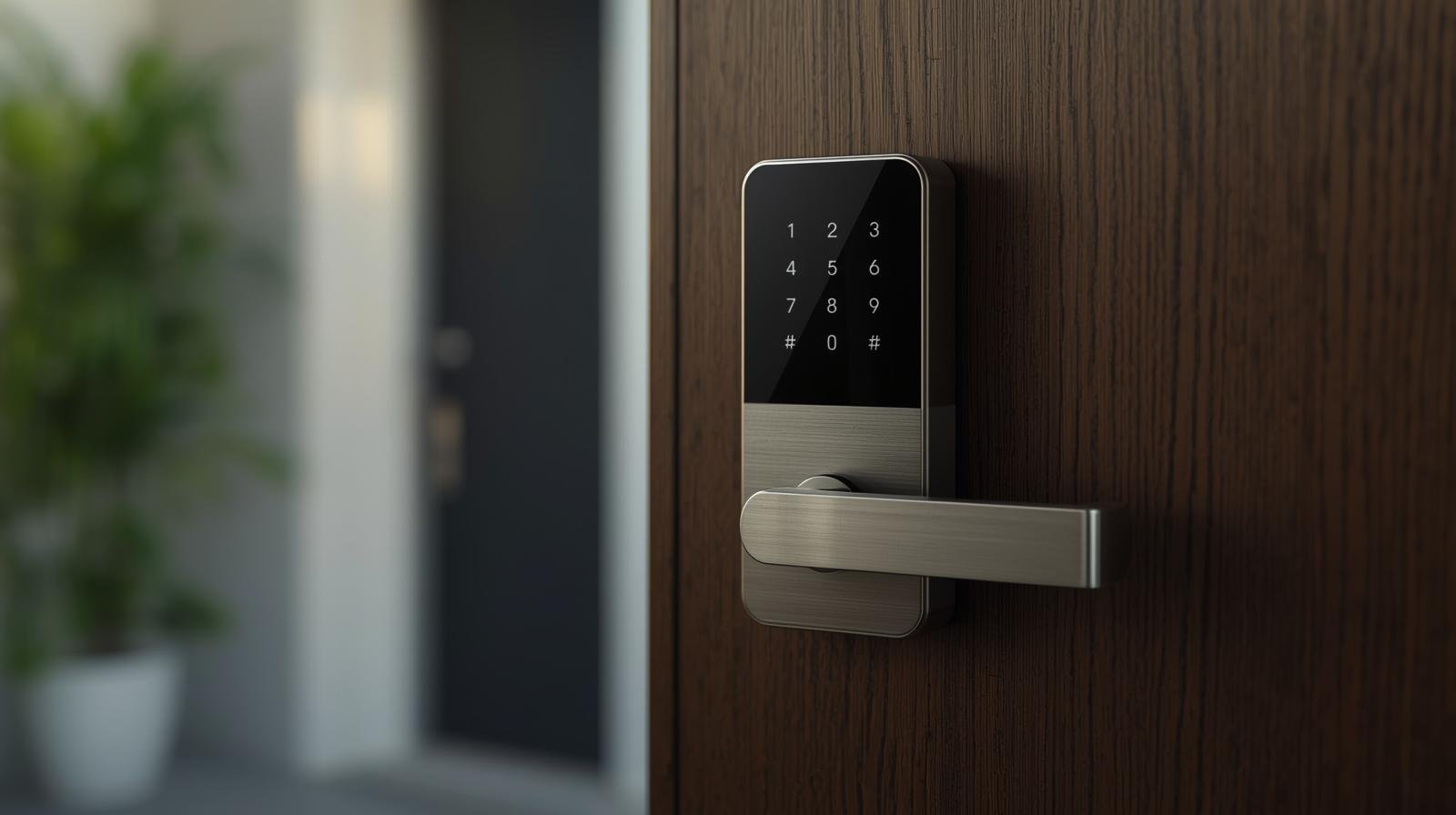
Electric locks, often referred to as smart locks, use electronic mechanisms rather than purely mechanical systems. They can be unlocked using a keypad, smartphone app, fingerprint, keycard, or even voice command. Some models connect via Wi-Fi, Bluetooth, or home automation systems like Alexa or Google Home.
Electric locks offer keyless convenience and remote control, allowing homeowners to lock or unlock their doors from anywhere.
The most common electric locks include:
Keypad locks: A PIN code is required instead of a key.
Biometric locks: Fingerprint recognition is used.
Bluetooth/Wi-Fi smart locks: Controllable via an app.
RFID locks: Commonly used in hotels, they work with cards or key fobs.
3 Advantages and Disadvantages of Traditional Locks
✅ Advantages:
Affordability:
Traditional locks are generally less expensive than electric locks, both in terms of price and installation costs.
Simplicity:
They are easy to use: no app, batteries, or internet connection is required.
Reliability:
Mechanical locks are not affected by power outages or technical issues.
Easy replacement:
If you lose your key, you can easily have it replaced or rekeyed.
❌ Disadvantages:Electric vs. Traditional locks:
Limited security:
Traditional locks can be picked, drilled, or drilled if they are not of good quality.
Key management issues:
Losing or forgetting your key means being locked out (or having to hide a spare, which is a risk).
No remote access:
You can’t check if your door is locked while you’re away or authorize remote access. .
4 Pros and Cons of Electric Lock.
Keyless Convenience:
No more fumbling for keys: unlock with a PIN, fingerprint, or mobile app.
Remote Access and Control:
Lock or unlock your door from anywhere, ideal for delivering packages or welcoming guests.
Activity Tracking:
Many smart locks send notifications when someone enters or leaves your home, for added peace of mind.
Smart Home Integration:
Electric locks can connect to security cameras, alarm systems, and voice assistants like Alexa or Google Assistant.
Temporary Access Codes:
You can generate time-limited codes for visitors, maintenance staff, or Airbnb guests.
❌ Cons:
Higher Cost:
Electric locks are more expensive to purchase and install than traditional locks.
Energy Dependence:
They operate on batteries or AC power. If the battery or power supply dies, you risk losing access.
Hacking Concerns:
Like any connected device, smart locks can be vulnerable to cyberattacks if not properly secured.
Complex Installation:
Some models require professional installation or door modifications.
5 Security Comparison: Electric vs. Traditional Locks
Security is every homeowner’s primary concern. How do they compare?
Traditional locks rely on the robustness of their mechanism. A solid, hardened steel deadbolt resists most break-ins. However, picking and key duplication remain risks.
Electric locks, on the other hand, offer advanced encryption and access logs, making them difficult to pick or manually bypass. However, they rely on digital security, which means strong passwords, software updates, and secure Wi-Fi networks are essential.
Verdict: For overall protection, a high-quality electric lock generally offers better modern security, especially when combined with other smart home devices.
6 Installation and Maintenance
Traditional locks are easy to install with basic tools, often DIY. Maintenance includes lubrication and checking for rust or misalignment.
Electric locks may require more extensive setup, depending on the model. You may need to connect them to Wi-Fi, install an app, or integrate them with your home automation system. Maintenance includes battery replacement and occasional firmware updates.
If you prefer a hands-off experience, go electric. If you value simplicity and minimal maintenance, opt for a traditional lock.
7 Price Comparison Electric vs. Traditional locks:
Type: Average Cost (lock + installation): Traditional deadbolt: $40–$150; High-security traditional lock: $150–$300; Basic electric lock: $120–$250; Premium smart lock: $300–$600+
Although electric locks are more expensive upfront, many homeowners find their convenience and added features worth the investment, especially for the long-term security of their home.
8 Which lock is right for you?
Let’s analyze the different options based on the needs of different homeowners:
Tech-savvy homeowners:
Opt for electric locks, especially if you already use connected devices. Remote access and integration will fit seamlessly into your setup.
Traditional or budget-conscious homeowners:
A high-quality deadbolt offers reliable security at an affordable price.
Frequent travelers or Airbnb hosts:
Smart locks allow for remote access control and monitoring, making them ideal for managing multiple visitors.
Older homes or rentals:
Traditional locks may be easier to install without modifying existing doors.
9 Combine the two for maximum security
You don’t have to choose one over the other. Many homeowners take a hybrid approach: for example, they install a smart lock on the main door for added convenience and traditional deadbolts on secondary entrances.Electric vs. Traditional locks:
This combination allows you to enjoy the best of both worlds: the reliability of traditional locks and advanced control of electrical systems.
10. Final Thoughts
Electric vs. Traditional locks:
So, electric vs. traditional locks— which is right for your home?
It all comes down to your lifestyle, budget, and comfort with technology.
If you want hands-free control, real-time monitoring, and high-tech convenience, an electric lock is a smart investment. But if you prefer simplicity, affordability, and proven reliability, a traditional lock will continue to do its job well.