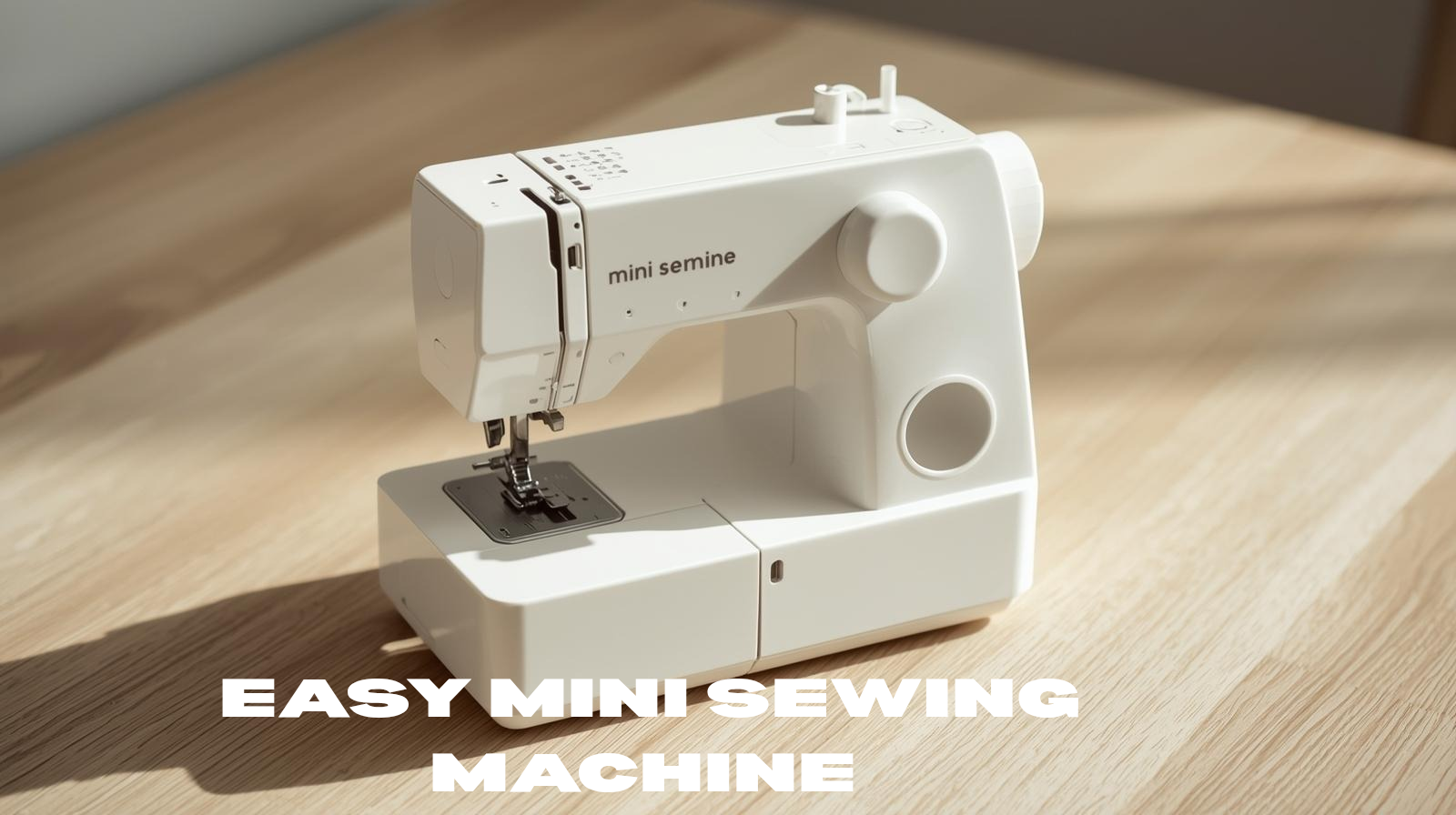
Embroidery and sewing are timeless techniques that blend practicality with creativity. Whether it’s hemming a pair of pants, stitching a button, or creating a personal design, having a sewing machine at home makes life easier. But not everyone has the space—or the budget—for a full-sized sewing machine. That’s where the mini sewing machine steps in.
In recent years, mini sewing machines have become increasingly popular. They are compact, budget-friendly, and surprisingly effective. Despite their small size, these pint-sized machines are powerful enough to handle everyday sewing tasks, making them a favorite among beginners, students, DIY hobbyists, and even experienced sewers who need a backup machine.
In this guide, we’ll explore why mini sewing machines are a game changer, their benefits, best uses, and what to look for when choosing one.
What Is a Mini Sewing Machine?
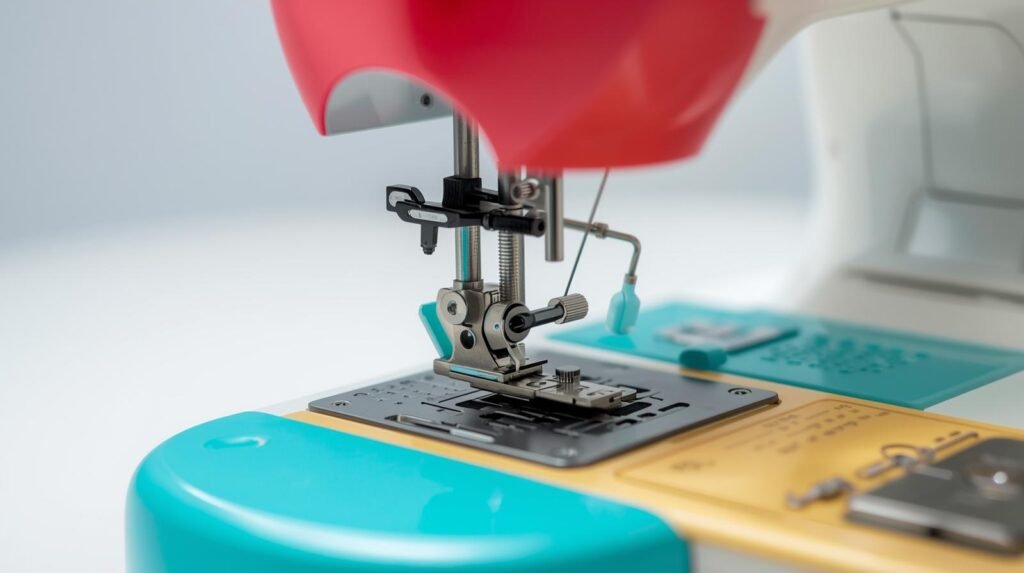
A mini sewing machine is essentially a smaller version of a traditional sewing machine. While it doesn’t come with all the advanced features of a professional-grade model, it provides the essential functions for basic sewing tasks. Most mini machines are lightweight, portable, and simple to operate, making them an excellent choice for beginners.
Think of them as the “starter pack” for sewing—affordable, easy to use, and perfect for small projects or quick fixes.
Why Are Mini Sewing Machines Becoming So Popular?
Compact, Affordable, Effective: mini sewing machine easy life.
- Compact Design for Small Spaces
Not everyone has a large sewing room or a spacious table to set up a full-size machine. Mini sewing machines fit easily on a desk, countertop, or even a bedside table. Their compact design makes them ideal for apartment living, dorm rooms, or anyone who doesn’t want a bulky machine taking up space.
- Affordable for Any Budget
Full-size sewing machines can cost hundreds of dollars, which isn’t always practical for beginners or casual users. In contrast, mini sewing machines are budget-friendly, with many reliable models priced under $50. This affordability makes sewing accessible to students, hobbyists, and anyone who wants to try sewing without a big financial commitment.
- Ease of Use
Mini sewing machines are designed for convenience. They typically have simple controls and fewer stitch options, which means beginners can get started right away. There’s no need to figure out complicated settings—just thread the needle, place the fabric, and start sewing.
- Surprisingly Effective
Despite their small size, mini sewing machines are capable of handling most everyday sewing tasks, such as hemming pants, repairing seams, or creating small crafts. While they may struggle with thick fabrics like denim or leather, they work beautifully on cotton, polyester, and other lightweight to medium fabrics.
- Portable and Travel-Friendly
Weighing just a few pounds, mini sewing machines are extremely portable. You can carry them to sewing classes, craft meetups, or even take them on vacation. Some models even run on batteries, making them perfect for sewing on the go.
Best Uses for Mini Sewing Machines
While mini sewing machines won’t replace a professional machine, they excel in several areas:
Quick Fixes: Perfect for repairing seams, hemming pants, or replacing buttons.
Beginner Projects: A great way to practice basic sewing skills like straight stitching.
Crafts and DIY Projects: Excellent for small projects such as pillow covers, tote bags, or children’s clothes.
Travel Sewing: Compact enough to fit in a suitcase or carry-on for sewing on the go.
Teaching Kids: A safe and affordable way to introduce children to sewing without the complexity of large machines.
Features to Look for in a Mini Sewing Machine
When buying a mini sewing machine, keep these features in mind:
Stitch Options: Most offer straight stitches, but some include zigzag or decorative stitches.
Power Source: Some run on electricity, while others can use batteries for portability.
Built-in Light: An LED light is very helpful for sewing in low-light conditions or handling detailed work.
Threading Simplicity: Look for machines that are easy to thread without multiple complicated steps.
Durability: While mini machines are lightweight, the best models are sturdy enough to handle frequent use.
Advantages and Limitations
Compact, Affordable, Effective:
Like any tool, mini sewing machines come with both strengths and weaknesses.
✅ Advantages
Affordable entry point for beginners
Compact and lightweight design
Easy to use with simple controls
Great for small projects and quick fixes
Portable enough for travel or classes
❌ Limitations
Not suitable for heavy fabrics like denim or leather
Limited stitch options compared to full-size machines
Smaller work area
Less durable for heavy, long-term use
By understanding these limitations, you’ll be able to get the most out of your mini sewing machine and appreciate its strengths.
Tips for Getting the Most Out of Your Mini Sewing Machine
- Start with Lightweight Fabrics: Cotton and polyester are ideal for beginners. Avoid heavy fabrics until you gain more experience.
- Practice on Scrap Fabric: Test your stitches before starting your actual project.
- Keep It Clean: Dust and lint can quickly build up in small machines. Clean it regularly for smoother performance.
- Use the Right Needle and Thread: Follow the manufacturer’s instructions to avoid jams or breakage.
- Don’t Overload It: Remember that mini sewing machines are designed for simple tasks—not professional upholstery or large quilting projects.
Who Should Buy a Mini Sewing Machine?
Mini sewing machines are a great fit for:
Beginners who want to learn sewing without a big investment.
Students or apartment dwellers with limited space.
DIY enthusiasts who love small crafts and sewing projects.
Parents introducing children to sewing in a safe, affordable way.
Travelers looking for a portable machine for quick repairs.
If you fall into one of these categories, a mini sewing machine could be a practical and enjoyable investment.
Final Thoughts#
Compact, Affordable, Effective:
Mini sewing machines prove that big things can come in small packages. While they can’t replace heavy-duty, professional machines, they are perfect for everyday fixes, beginner projects, and crafting.
Whether you’re a student in a small apartment, a beginner testing the waters, or a busy person who just needs quick clothing repairs, a mini sewing machine can make life easier. With proper care and realistic expectations, these little devices can open the door to endless creativity—without taking up much space or money.
If you’re ready to try sewing, a mini sewing machine might just be the game changer you need in 2025.